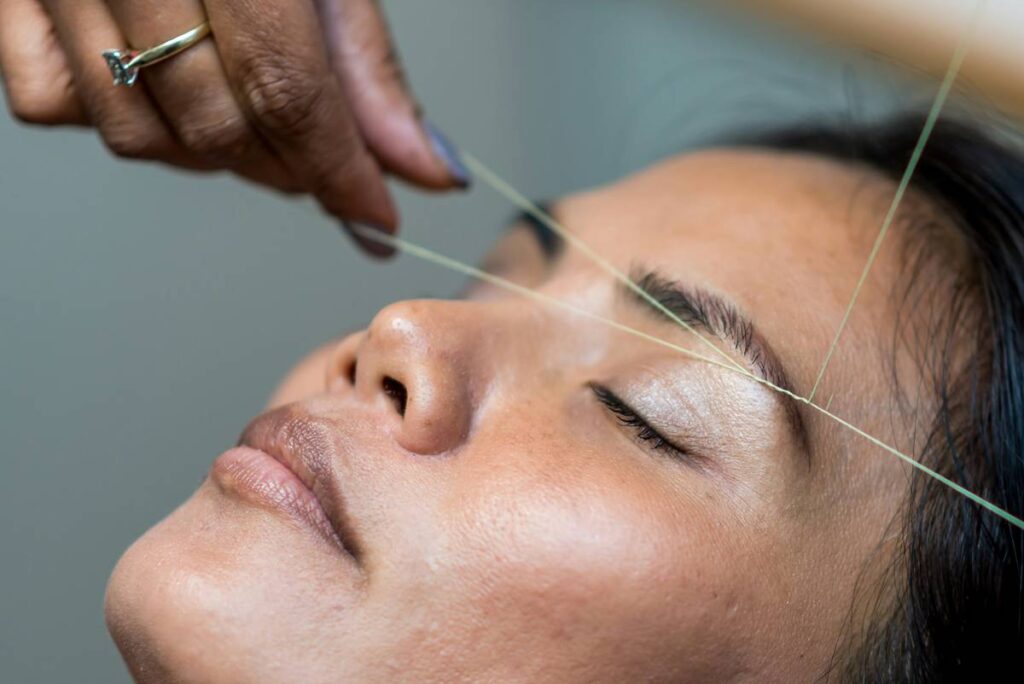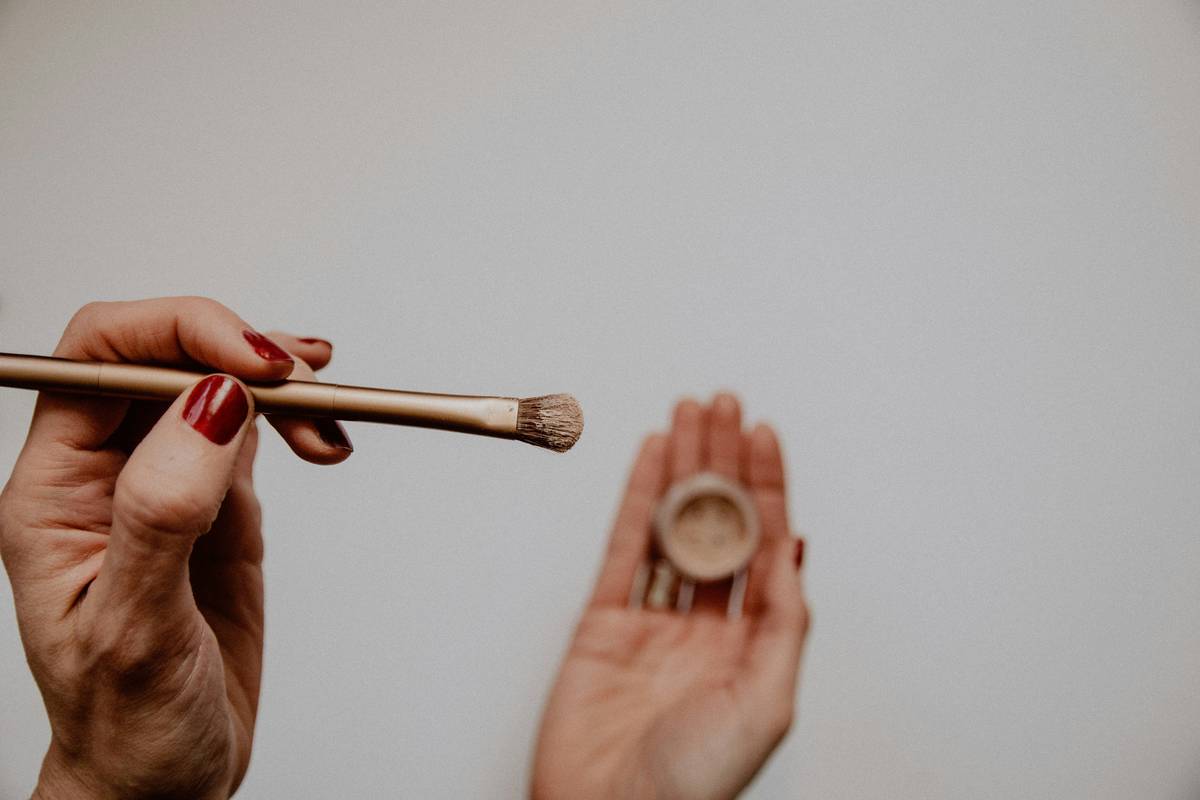
Spent hours shaping brows only to end up with asymmetrical, patchy messes? You’re not alone. Most at-home brow routines rely on blunt spoolies or stiff angled brushes that drag hair instead of defining it. The real fix isn’t more product—it’s a precision brow detailing tool engineered for micro-movements and featherlight control.
Why Your Current Brush is Sabotaging Your Brows
Generic eyebrow brushes are built for volume—not detail. Their densely packed bristles smudge pigment, flatten natural arches, and can’t isolate stray hairs near the bridge or tail. Worse, they encourage over-application; you keep brushing to “fix” mistakes, which just spreads error.
Think about it: your brow has zones—inner fullness, mid-arch definition, outer taper. One-size-fits-all tools treat them identically. That’s why even expensive gels look muddy after 30 minutes.
Master Precision Brows in 4 Steps
Forget complicated routines. Real control starts with switching implements. Here’s how top aestheticians do it:
Select Your Ideal Brow Detailing Tool
Not all detailing tools are equal. Look for dual-ended designs: one side tapered nylon bristles for powder/gel, the other a fine, slanted edge for pomade or wax. Avoid metal combs—they snag.
Prep With Zero Product First
Brush dry brows upward using light strokes. This reveals true shape and gaps without the distortion of product. Many skip this—and pay for it later with uneven fills.
Apply From Tail to Arch (Yes, Backwards)
Start at the thinnest point—the tail—and work inward toward the arch. Gravity pulls product downward; reversing direction keeps pigment crisp and prevents blobbing near the inner corner.
Set With Micro-Taps—Not Swipes
Dip your brow detailing tool lightly. Press—don’t sweep—to deposit pigment. Tiny taps mimic hair strokes. A swipe = blur.
| Tool Type | Bristle Density | Ideal For | Longevity (Avg.) |
|---|---|---|---|
| Standard Spoolie | High | Blending only | 2–3 months |
| Angled Eyebrow Brush | Medium | Pomade application | 6+ months |
| Brow Detailing Tool | Low-to-medium, tapered | Precision defining + cleanup | 12+ months |
The Industry Secret: Clean Edges Beat Perfect Symmetry
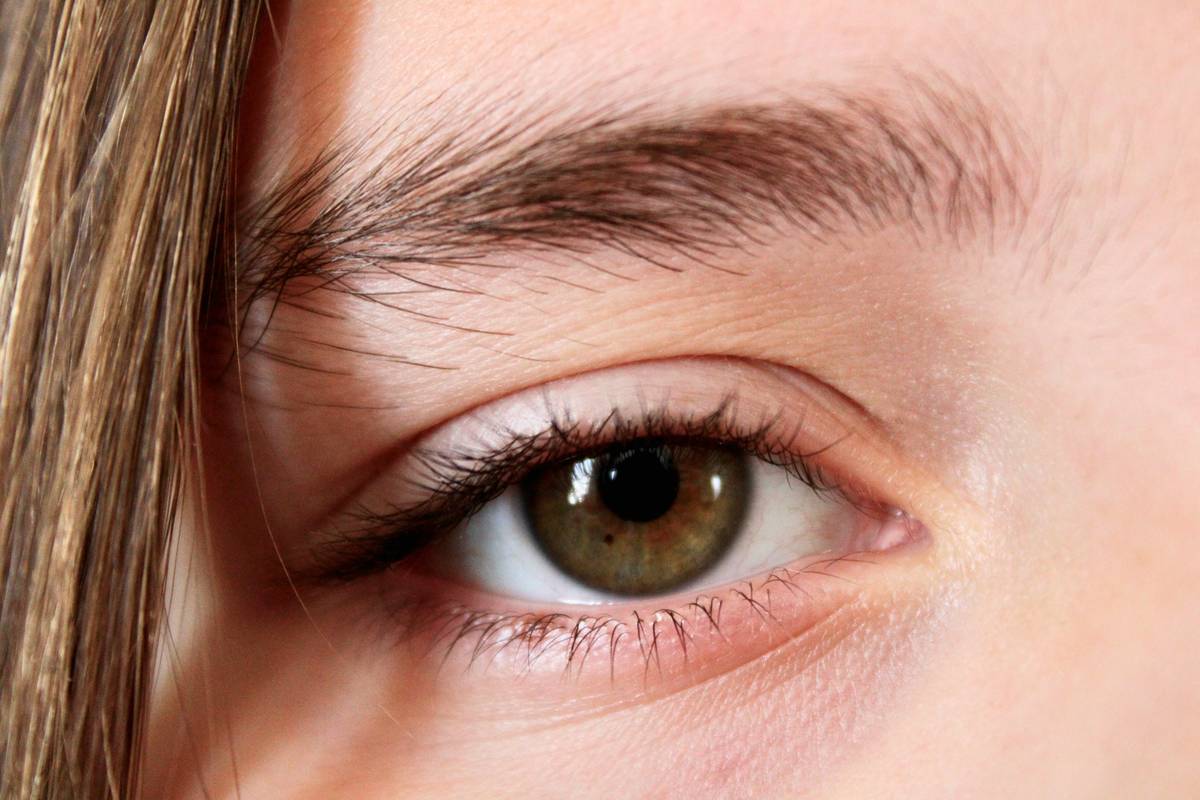
Here’s what salons won’t advertise: clients rarely notice if brows aren’t identical. They do notice when edges bleed into skin. The magic of a true brow detailing tool lies in its cleanup function. After filling, flip to the stiff, slanted edge. Gently trace under the brow bone and along the lower perimeter to carve sharp contrast against bare skin. This single move elevates amateur work to editorial-level definition—even with drugstore products. And pros reuse these tools for years because the bristles resist splaying. The math is simple: $18 once beats $8 every quarter.
Frequently Asked Questions
What’s the difference between an eyebrow brush and a brow detailing tool?
An eyebrow brush blends or applies product broadly. A brow detailing tool offers pinpoint accuracy for defining individual hairs and cleaning edges.
Can I use a brow detailing tool with liquid brow products?
Yes—but only if it has synthetic, non-absorbent bristles. Natural fibers will soak up liquid and create blotches.
How often should I replace my brow detailing tool?
With proper cleaning (weekly with brush shampoo), it lasts over a year. Replace only if bristles fray or lose tension.