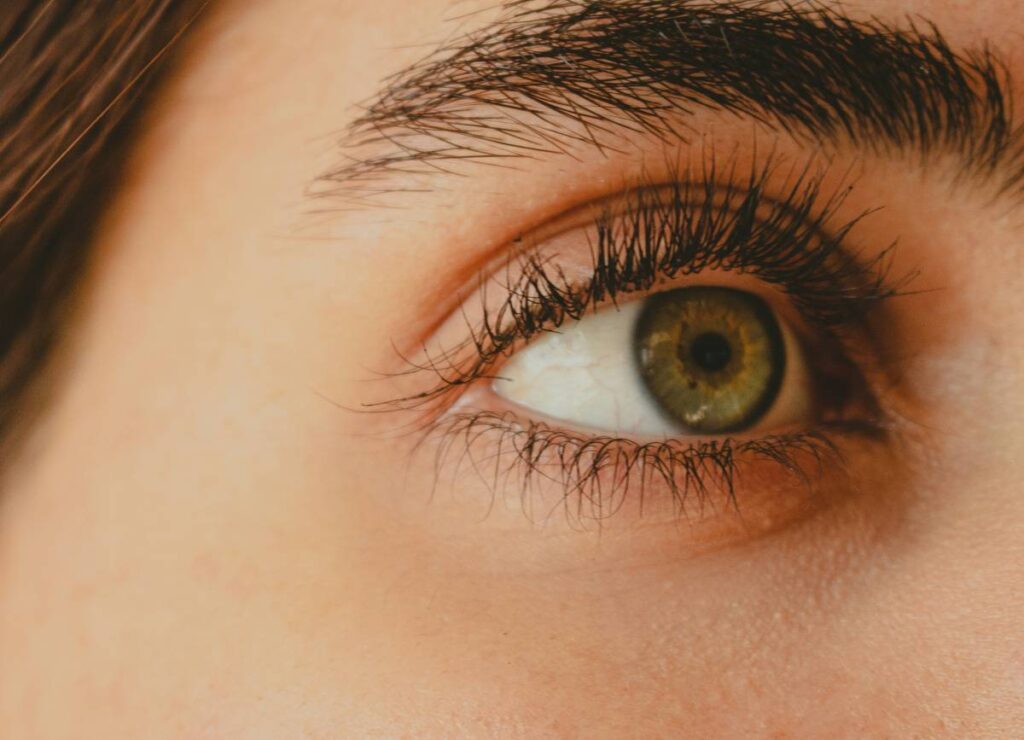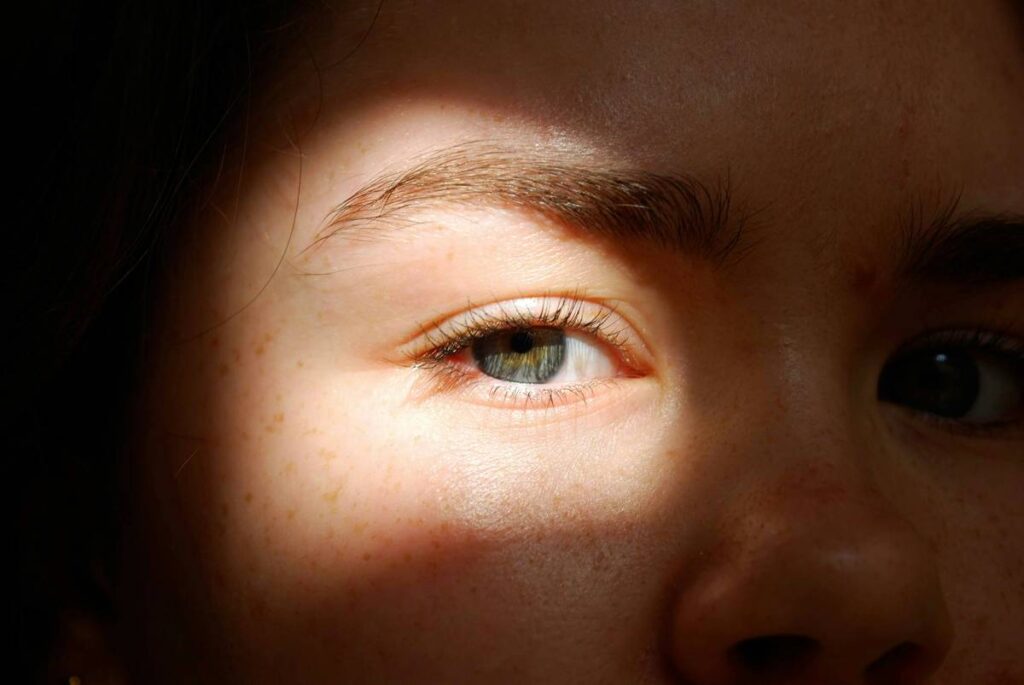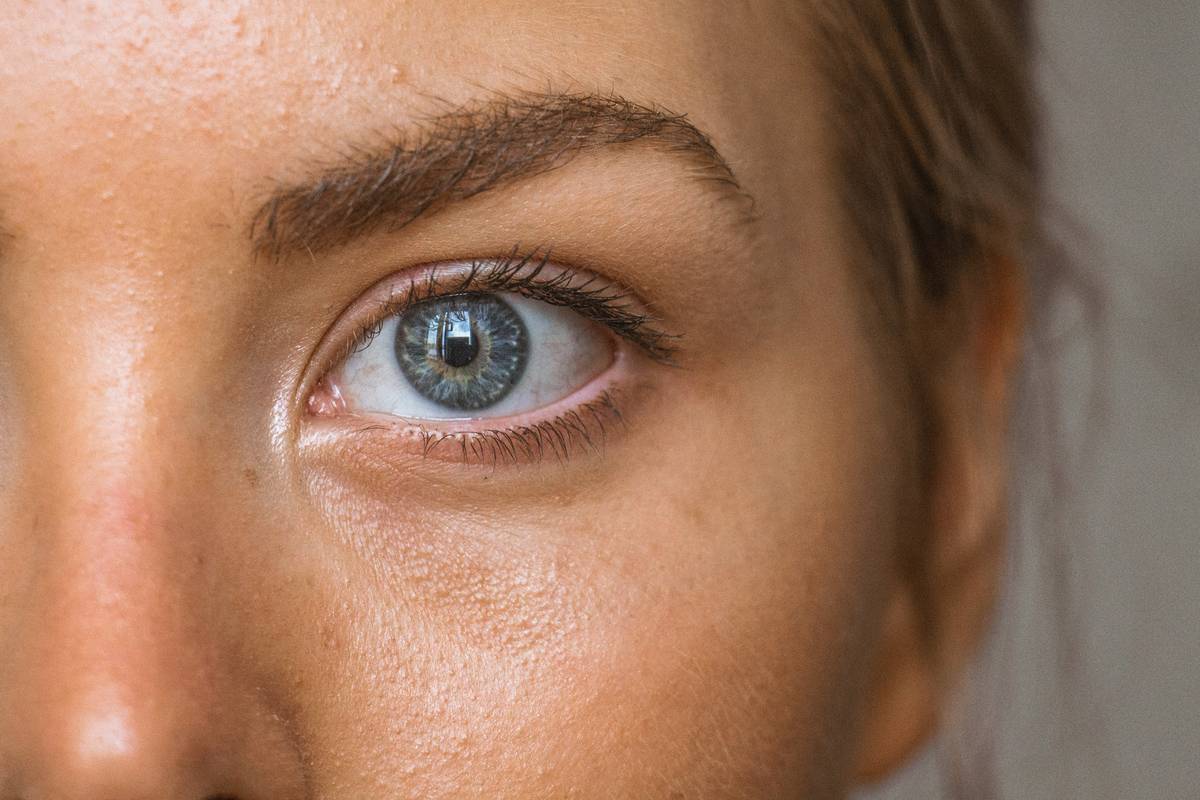
You spend 20 minutes filling, blending, and fixing your eyebrows only to catch a distorted reflection in a store window—flat arches, muddy pigment, hairs sticking out like frayed wire. Frustrating? Absolutely. The real issue isn’t your skill—it’s your tools. Most people rely on angled brushes or spoolies alone, but those can’t shape, define, and set brows with surgical precision. Enter the brow sculpting aid: a purpose-built hybrid tool that bridges the gap between artistry and control.
Why Your Current Brow Routine Is Working Against You
Standard eyebrow brushes are one-trick ponies. Angled brushes smudge product sideways instead of depositing it hair-like. Spoolies fluff—but don’t structure. And dual-ended tools? Often poorly weighted, with bristles too stiff or too limp. You end up over-applying product just to “see” definition—then over-blending into a soft, shapeless mess.
Here’s the reality: brows aren’t painted—they’re sculpted. Like clay. They need lift, direction, and hold. Without a proper brow sculpting aid, you’re basically finger-painting with powder.
Your Step-by-Step Guide to Precision Brows Using a Brow Sculpting Aid
Forget copying Instagram tutorials that assume you have a makeup artist’s hand-eye coordination. This method works even if your dominant hand shakes during coffee withdrawal.
Step 1: Prep With Purpose
Brush upward with a clean spoolie—yes, still useful here. But don’t stop there. Lightly dust translucent powder over the brow bone. Why? It creates grip. Product slides on bare skin; it *sticks* on set powder. That tiny step prevents migration by lunchtime.
Step 2: Map, Don’t Guess
Use the tapered tip of your brow sculpting aid (most have a fine, firm edge) to trace your ideal arch—not fill it yet. Just air-drawing. This forces intentionality. Most mistakes happen because we start depositing pigment before defining form.
Step 3: Build With Texture, Not Coverage
Dip the angled side lightly—tap off excess. Apply in short, feathery strokes following natural growth. Less is more. Build density only where needed: tail, sparse inner corners. Then immediately use the spoolie end to soften—and crucially, redirect any strays upward.

Step 4: Lock It In—The Forgotten Final Step
Spray a setting mist onto your spoolie (not directly on brows—that causes clumping). Comb through once. This sets pigment while adding flexible hold. Skip this, and your carefully sculpted work collapses by 3 PM.
| Tool Type | Precision | Blending Control | Cost (USD) | Best For |
|---|---|---|---|---|
| Standard Angled Brush | Medium | Low (spreads too wide) | $5–$12 | Quick fills, no dimension needed |
| Dual-Ended Spoolie + Brush | Low | Medium | $8–$18 | Beginners, minimal routines |
| Brow Sculpting Aid | High | High (tapered + stiff fibers) | $16–$28 | Defined arches, sparse brows, long wear |

The Industry Secret: Brows Are About Shadow, Not Just Color
Here’s what luxury makeup artists won’t tell you: perfect brows rely 70% on contrast, not pigment saturation. A well-placed shadow beneath the arch—not more product on the hair—creates lift. And the only tool that lets you carve that subtle negative space? A true brow sculpting aid with a sharp, firm edge. Drugstore brushes flatten everything into uniform tone. But a sculpting aid lets you “erase” light under the tail or inner brow with a clean brush stroke—creating optical lift without glitter or highlighter. Think of it like contouring for your face… but for your brows. The math is simple: contrast = dimension = expensive-looking results.
Frequently Asked Questions
What’s the difference between a brow brush and a brow sculpting aid?
A standard brow brush applies color. A brow sculpting aid shapes, defines edges, blends, and sets—all in one tool with specialized bristle density and angle.
Can I use a brow sculpting aid with pomade, pencil, and powder?
Yes. Its firm, synthetic fibers work with all formulas. Just clean between uses if switching from pomade to powder to avoid caking.
How often should I replace my brow sculpting aid?
Every 6–12 months. Bristles lose tension over time, compromising precision. If fibers splay outward after washing, it’s time to retire it.